

67 Years Later – The Impact of the Hayes v. Bowman Decision on Riparian Landowners in the State of Florida
It is hard to believe, but it has been 67 years since the Florida Supreme Court handed down its landmark ruling concerning riparian rights in the State of Florida. Hayes v. Bowman, 91 So.2d 795, is a significant legal case in Florida that has had a lasting impact on riparian rights. The case, decided in 1957, dealt with the rights of waterfront property owners and established important principles regarding riparian rights in Florida. As land surveying expert witnesses, we thought we’d take a closer look at this monumental case.

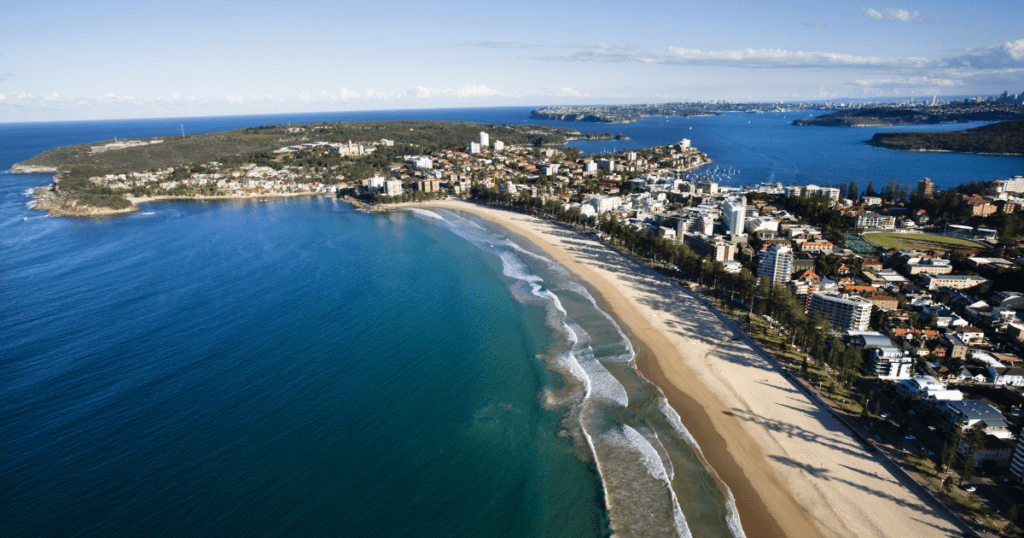
Riparian rights refer to the legal rights of landowners whose property is adjacent to a body of water, such as a river, lake, or ocean. These rights typically include the use and enjoyment of the water and may involve issues such as access, use of the shoreline, and the right to make reasonable use of the water. In the Hayes case, the Florida Supreme Court addressed a dispute between adjacent landowners over the construction of a bulkhead. The court ruled that a riparian owner has the right to construct a bulkhead or other protective structure along the shoreline, even if it affects the flow of water to neighboring properties. This decision affirmed the principle that riparian owners have a reasonable right to protect their property from erosion and other natural forces.
The impact of the Hayes case on riparian rights in Florida can be summarized in several key points:
Right to Construct Protective Structures: The case established the right of riparian owners to construct protective structures, such as bulkheads, seawalls, or other erosion control measures, along the waterfront. This right is subject to the condition that the construction is reasonable and does not unduly interfere with the rights of
neighboring property owners.
Balancing of Rights: The decision in Hayes recognized the need to balance the rights of riparian owners to protect their property with the rights of neighboring landowners to reasonable use of the water. This balance is crucial in resolving disputes over the construction of structures that may affect water flow or access.
Preservation of Riparian Rights: The case contributed to the preservation and clarification of riparian rights in Florida, providing a legal framework for resolving disputes and guiding future decisions related to waterfront property.
Impact on Subsequent Legal Precedents : The Hayes case has been cited in subsequent legal decisions involving riparian rights in Florida, influencing the development of the law in this area.
It’s important to note that while the Hayes case addressed specific issues related to the construction of protective structures, riparian rights in Florida may involve a range of other considerations, such as access to navigable waters, rights to use the shoreline, and environmental regulations.
The Hayes v. Bowman case had a lasting impact on riparian rights in Florida by affirming the right of riparian owners to protect their property through the construction of reasonable protective structures and by providing a legal foundation for the resolution of related disputes. Florida is a very water rich area, so landowners and their respective counsels are well advised to be knowledgeable about the prevailing legal precedent in these types of disputes.


About Dr. Tony Nettleman
Dr. Nettleman is a Land Surveying Engineer and Attorney. He has held distinguished professorships at Texas A&M Corpus Christi, University of Florida, Florida Atlantic University, and Troy University. Tony currently teaches continuing education courses for attorneys and land surveyors, provides online test preparation modules to help land surveyors become licensed in all 50 states, and serves as an expert witness in boundary, easement, title and riparian disputes. He is licensed as a surveyor and attorney in Florida as well as a professional surveyor in TX, CA, NM, SD, FL, AL, OH, KY, NV, WC