



Many of you have probably heard of the term “metes and bounds” when discussing real property matters. Have you ever wondered what that term means? Have you wondered why that term is used in property-related matters? In this article, we describe what the term “metes and bounds” means and how it could have an effect on your real property dispute.
“Metes and bounds” is a system used in legal descriptions of land that defines the boundaries of a property through physical features, landmarks, distances, and angles. This system, one of the oldest ways to describe land, relies on a sequence of instructions that delineates the perimeter of a property using descriptions such as “from the oak tree to the stream,” “thence north 200 feet,” or “along the stone wall.”
Key Aspects of Metes and Bounds Description
- Metes: Refers to the measurement of straight-line distances, often with compass bearings or angles.
- Bounds: Refers to more general boundary descriptions, using physical features like rivers, roads, or neighboring properties.
Importance in Property Disputes
- Clarity in Ownership: A clear legal description helps establish the precise limits of a property, which is crucial in ownership claims.
- Disputes Over Boundaries: Landmarks or natural features used in metes and bounds descriptions can shift or erode over time, causing disagreements.
- Legal Precedent: In disputes, courts often turn to metes and bounds descriptions to interpret the original intent of the boundary and resolve conflicts.
- Historical Relevance: Some properties still rely on historical metes and bounds descriptions, making it essential to interpret these accurately in modern contexts.
Metes and bounds remain vital for clarifying property boundaries, especially when deeds or physical markers are ambiguous, and can be instrumental in upholding or challenging property rights.
Commercial vs. Residential Considerations
In residential property disputes, metes and bounds descriptions often come into play when neighbors disagree over boundaries, such as fence lines, easements, or encroachments. For example, if one homeowner builds a structure that inadvertently crosses a property line, metes and bounds can clarify whether the structure is on their property or their neighbor’s. Because metes and bounds descriptions include specific measurements and directions, they allow land surveyors to determine exact boundaries, which can be invaluable for resolving these disputes in a manner that is precise and legally binding.
In commercial real estate, the stakes are often higher, as disputes can impact business operations, development plans, or land valuations. Commercial property disputes might arise when a developer claims more land than initially agreed upon or when two businesses located on adjoining properties disagree on boundary lines. Metes and bounds descriptions provide a legal framework to resolve these conflicts by offering a detailed, accurate account of where one property ends and another begins. They can also help in situations involving irregularly shaped parcels of land, which are common in commercial areas and may not easily conform to standard lot descriptions.
In court, metes and bounds can serve as authoritative documents when adjudicating boundary disputes, as their technical detail provides clear evidence of property lines. Surveyors may be called upon to interpret these descriptions, and their findings can often settle disputes without the need for prolonged litigation. However, challenges can arise if landmarks cited in the original descriptions have moved or disappeared over time, leading to ambiguity. In such cases, historical records and modern land surveying techniques may be combined to ascertain accurate boundaries. Overall, metes and bounds remain a critical tool in resolving property and boundary disputes by offering a legally recognized way to define borders and verify land boundaries.

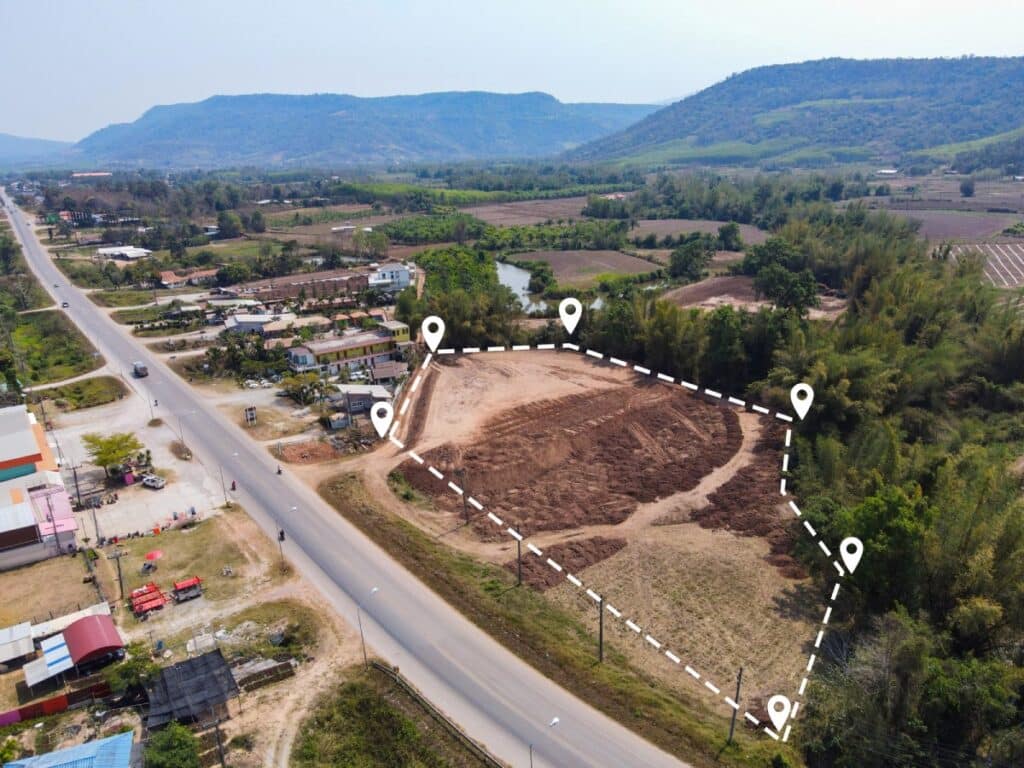
Avoiding Issues with Metes and Bounds in Property-Related Litigation
Metes and bounds issues, which refer to errors or ambiguities in the description of property boundaries, are common sources of disputes in property-related litigation. These disputes often arise from unclear property descriptions, old or conflicting records, encroachments, or surveying errors. Here are practical strategies to avoid metes and bounds issues:
- Conduct Thorough Title Searches and Surveys: Start with a comprehensive title search to uncover any prior discrepancies in boundary descriptions. Similarly, hiring a licensed surveyor to conduct a current and accurate land survey can reveal inconsistencies with past descriptions and any encroachments or easements not reflected in public records. Ensure the surveyor marks the property boundaries physically, as this can help prevent misunderstandings among neighboring property owners.
- Utilize Modern Surveying Technology: Older property descriptions may lack precision due to the limitations of past surveying methods. Current GPS and digital mapping tools offer greater accuracy and reliability. By updating metes and bounds descriptions with precise, technology-aided measurements, property owners can avoid ambiguities that lead to litigation. Modern surveys also help clarify boundaries, improving the accuracy of legal descriptions used in deeds and records.
- Include Clear Legal Descriptions in Property Documents: When drafting property descriptions for deeds, leases, or purchase agreements, it is essential to use clear, detailed language and reference updated survey data. This includes defining points of beginning, distances, angles, and boundaries in exact terms. Avoid relying solely on natural landmarks, as these can change over time. Legal descriptions should also match across all relevant documents, as discrepancies often lead to disputes.
- Use Boundary Agreements and Recorded Easements: When potential boundary issues are identified, consider entering into boundary agreements with neighboring property owners. Such agreements, when recorded, create a legally binding acknowledgment of property lines and help prevent future disputes. Similarly, recording easements or rights of way clarifies access points, reducing conflicts related to land use.
- Seek Legal Counsel for Complex Properties: For properties with challenging boundary histories, seek legal advice before closing transactions or development projects. Lawyers specializing in real estate law can review metes and bounds descriptions for accuracy, draft precise property descriptions, and handle any boundary disputes proactively to avoid escalation.
By ensuring clarity and accuracy in property boundaries, leveraging modern technology, and using legal agreements where necessary, property owners can prevent metes and bounds disputes and reduce the likelihood of litigation.
If you are an attorney who may have a metes and bounds issue in a property-related dispute, NLC, Inc. may be able to help! Schedule a call today!