


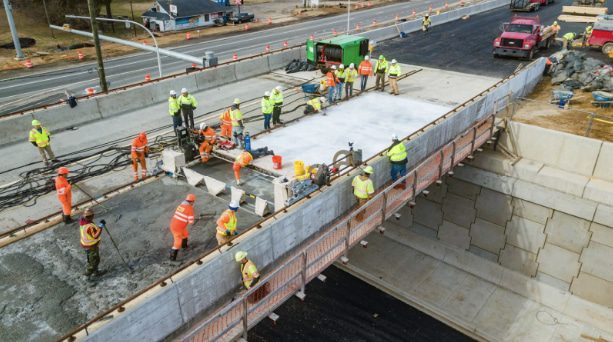
Understanding Construction Defects and How to Resolve Them
Any construction project, whether residential or commercial, often encounters various challenges, with defects being a prevalent issue. These defects can range from minor imperfections to critical structural flaws, posing safety risks and financial burdens. However, with the assistance of skilled surveyors, these defects can be identified, analyzed, and mitigated effectively. In this article, we explore the types of construction defects and describe the indispensable role of surveyors and survey experts in detecting and resolving them.
What is a Construction Defect?
A construction defect refers to any flaw or deficiency in the design, quality of work, or materials used in the construction of a building or structure that causes it to fail to perform in the manner expected or intended. These defects can manifest in various ways, ranging from minor aesthetic or surface damage issues to design defects and significant structural problems that compromise the building’s safety, integrity, and functionality.
Types of Construction Defects
Construction defects encompass a broad spectrum of issues that compromise the integrity, functionality, and aesthetics of a structure. They can manifest at any stage of the construction process, from design and material selection to construction and post-construction phases. Common types of construction defects include:
- Design Deficiencies: Errors or oversights in the initial design phase can lead to structural instability, inadequate support, or improper drainage systems. Design defects often stem from inaccurate calculations, insufficient planning, or failure to adhere to building codes and regulations.
- Material Defects: Using substandard or defective materials can result in premature deterioration, corrosion, or weakened structural components. Material defects may arise due to poor quality control, counterfeit products, or improper storage conditions.
- Construction Errors: Defects can result from mistakes made during the construction process, such as poor work quality, improper installation, or neglect of essential construction techniques. Common construction errors include inadequate waterproofing, improper framing, and faulty electrical wiring.
- Environmental Factors: External elements such as weather conditions, soil movements, and seismic activities can contribute to construction defects. Exposure to excessive moisture, temperature fluctuations, or seismic vibrations may cause significant property damage over time through structural shifting, cracks, or foundation settlement.
Operational and Maintenance Issues: Neglecting regular maintenance or failing to address operational issues can exacerbate existing defects or lead to new ones. Poor ventilation, improper drainage, and neglecting repairs can accelerate deterioration and compromise the overall integrity of the structure.
5 Ways Surveyors and Survey Experts Aid in Detecting and Resolving Construction Defects:
Surveyors play a crucial role in identifying and addressing construction defects through meticulous inspection, analysis, and documentation. Here’s how surveyors contribute to the detection and resolution of construction defects:
1. Comprehensive Inspection: Surveyors conduct thorough inspections of both new and existing structures to identify potential defects and assess their severity. Utilizing advanced tools and techniques, they examine various structural elements, including foundations, walls, roofs, and mechanical systems, to pinpoint areas of concern.
2. Detailed Documentation: Surveyors meticulously document their findings, including photographs, measurements, and detailed reports outlining the nature and extent of defects observed. This documentation serves as valuable evidence in legal construction disputes, insurance claims, or negotiations between stakeholders.
3. Expert Analysis: With their expertise in building construction and structural engineering, surveyors analyze the root causes of defects and recommend appropriate remedial measures. They assess structural stability, material integrity, and compliance with building codes to ensure effective solutions are implemented.
4. Quality Assurance: Surveyors assist in quality assurance throughout the construction process, conducting periodic inspections to monitor work progress and identify potential issues before they escalate into major defects. By implementing proactive measures, they help minimize the occurrence of defects and ensure adherence to industry standards.
5. Dispute Resolution: In cases of construction disputes or litigation, surveyors serve as impartial experts, providing expert testimony and technical support to facilitate resolution. Their comprehensive understanding of construction defects and their implications is invaluable in resolving conflicts and achieving equitable outcomes.

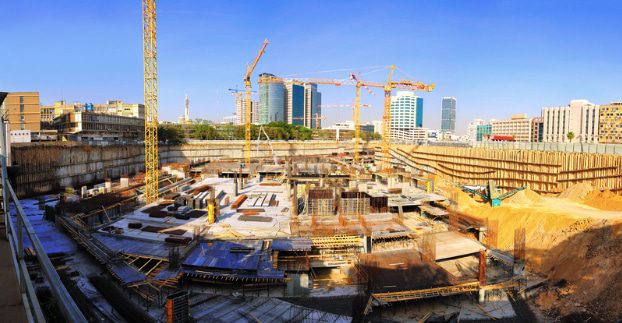
A Coordinated Approach to Resolve a Construction Defect Claim
Collaborative efforts to resolve construction defects are essential in ensuring the integrity and quality of built structures while fostering trust among stakeholders. Construction defects can range from minor issues to severe structural failures, posing risks to safety, finances, and reputations. (Learn about our oil and gas surveying dispute expert services.) Addressing these defects demands a coordinated approach involving various parties, including the property owner, contractors, subcontractors, surveyors, architects, engineers, and legal experts.
Effective Communication
First and foremost, effective communication lays the foundation for collaborative problem-solving especially with construction defect issues. Open channels of communication facilitate the identification and reporting of defects as they arise during construction or after completion. Regular meetings, progress reports, and digital platforms for documentation enable stakeholders to stay informed and involved throughout the resolution process.
Early Detection
Early detection of defects is crucial for minimizing their impact and cost. Implementing quality control measures, such as inspections, testing, and peer reviews, can help identify potential issues before they escalate. Proactive risk management strategies, including the use of Building Information Modeling (BIM) and advanced construction technologies, enhance accuracy and efficiency in detecting defects.
Collaborative Problem Solving
Upon discovery of defects, parties must work together to assess their nature, extent, and implications. Collaborative problem-solving techniques, such as root cause analysis and value engineering, facilitate comprehensive understanding and exploration of viable solutions. Engaging experts with diverse perspectives and expertise ensures thorough evaluation and informed decision-making.
Multifaceted Approach
Resolving construction defects often requires a multifaceted approach that may involve design modifications, material replacements, structural repairs, or even complete reconstruction. Collaborative decision-making processes, guided by contractual obligations, industry standards, and legal considerations, help prioritize actions and allocate responsibilities fairly.
Financial Consideration
Financial considerations are integral to resolving construction defects, as costs associated with investigation, rectification, and potential construction defect litigation can be substantial. Transparent cost-sharing mechanisms and negotiated settlements enable equitable distribution of financial burdens among stakeholders. Alternative dispute resolution methods, such as mediation or arbitration, can prevent a construction defect lawsuit and offer efficient and amicable avenues for resolving conflicts and reaching mutually acceptable agreements.
Culture of Accountability
Furthermore, fostering a culture of accountability and continuous improvement is paramount for preventing future occurrences of construction defects. Learning from past experiences, sharing best practices, and implementing quality assurance protocols contribute to enhanced project delivery and stakeholder satisfaction.
In essence, collaborative efforts to resolve construction defects require proactive communication, early detection, comprehensive assessment, and coordinated action among stakeholders. By leveraging collective expertise, resources, and commitment, construction industry participants can mitigate risks, safeguard investments, and uphold standards of excellence in building construction and maintenance.
Rely on Nettleman Land Consultants
A construction defect attorney plays a pivotal role in navigating the complexities of a construction defect case, which often involve intricate legal and technical aspects. These attorneys possess specialized construction defect law knowledge and experience in identifying, analyzing (construction documents), and construction litigation, ensuring that their clients receive proper compensation for damages incurred. Their expertise extends beyond mere legal advice; they collaborate with engineers, architects, and other construction professionals to thoroughly investigate the root causes of flaws, whether they stem from design defects, faulty material defect, or faulty workmanship.
Construction defects pose significant challenges for property owners, developers, and construction professionals alike, jeopardizing safety, financial investments, and reputation. However, with the expertise and assistance of surveyors from Nettleman Land Consultants, these defects can be effectively identified, analyzed, and remediated.
Through meticulous inspection, detailed documentation, and expert analysis, our surveyors play a pivotal role in ensuring the integrity and longevity of built structures. Their contributions not only mitigate risks but also uphold standards of quality and safety in the construction industry, ultimately safeguarding the interests of all stakeholders involved. NLC services are available for Texas, Florida, and more.
Contact Nettleman Land Consultants today for our expertise in identifying and resolving construction defects and property disputes.


About Dr. Tony Nettleman
Dr. Nettleman is a Land Surveying Engineer and Attorney. He has held distinguished professorships at Texas A&M Corpus Christi, University of Florida, Florida Atlantic University, and Troy University. Tony currently teaches continuing education courses for attorneys and land surveyors, provides online test preparation modules to help land surveyors become licensed in all 50 states, and serves as an expert witness in boundary, easement, title and riparian disputes. He is licensed as a surveyor and attorney in Florida as well as a professional surveyor in TX, CA, NM, SD, FL, AL, OH, KY, NV, WC