
Updated May 5, 2025
Texas survey requirements provide guidelines for real estate transactions throughout Texas. Working with a professional land surveyor is crucial to accessing precise details about the property boundary, easements, and potential encroachments. This applies whether you’re purchasing commercial or residential property.
For buyers, sellers, and property developers, the information from a land survey helps reduce the risk of legal disputes and common problems.
In this article, we’ll guide you through the specific Texas land surveying requirements you may need to be aware of when buying or selling property. We’ll also explain why surveying is important in real estate deals.
What is a Land Survey?
A land survey is a detailed measurement and examination of the features and boundaries of a property. These evaluations are conducted by professional land surveyors with deep knowledge of the field. Texas land surveyors conduct different types of surveys before a transaction commences, including:
- Boundary surveys: Surveys of land boundaries identify the exact property lines, outlining monuments, corners, and components. This allows landowners to be fully aware of the precise limitations of their property.
- ALTA/NSPS surveys: ALTA (American Land Title Association) and NSPS (National Society of Professional Surveyors) surveys are comprehensive surveys that adhere to the standards outlined by industry bodies. They often include detailed information about boundaries, encroachments, improvements made to land, and easements. ALTA surveys or NSPS surveys are particularly important in commercial transactions.
- Topographic surveys: Topographical surveys generally focus on the contour and elevation of the land. They include detailed insights into a three-dimensional representation of a property. A topographical property survey is often conducted prior to engineering, construction, and land development projects.
Texas Survey Requirements
Texas is often referred to as a “survey state”, although surveys aren’t always a requirement for every real estate transaction within the region. If there is an existing survey and no improvements have been made to the property, then a new survey may not be necessary.
When land surveys are required, the process for surveying a property or space is governed by specific legal requirements. These requirements are mostly outlined in the Texas administrative code and enforced by the Texas Board of Professional Engineers and Land Surveyors.
Texas survey requirements include::
- Every land and property survey meets specific standards, including providing accurate measurements of property boundaries, identification of easements, and the documentation of improvements.
- Only licensed and professional land surveyors, identified by “RPLS Texas” (Registered Professional Land Surveyor) certifications, may carry out these surveys.
- All professional surveyors must provide detailed reports, often accompanied by maps or plats that include legal descriptions of the property, boundary lines, and other essential information.
Working with a professional land surveyor is crucial to reducing the risk of negligence, and minimizing legal disputes.
On a broad scale, the Texas Administrative Code outlines minimum standards of practice for all land surveys. However, it’s worth noting that there are variations in the requirements attributed to a new survey for different property types. For instance, surveys for residential properties usually focus on the location of structures (houses, driveways, and fences), boundary lines, and easements.
These surveys help to ensure homeowners comply with zoning laws and don’t enter into disputes with neighbors. Commercial land surveys, such as ALTA or NSPS surveys, on the other hand, may be more comprehensive. They might include more details on zoning classifications, rights of way, and other factors relevant to financing and development projects.
Why Land Surveys are Important
Working with a licensed surveyor might seem like a time-consuming process, but it is important when considering property ownership in the State of Texas. Surveys conducted by a registered professional land surveyor will help to establish ownership rights and land boundaries before a transaction is completed.
By providing precise measurements and detailed descriptions of the property or land, a survey can significantly reduce the risk of misunderstanding and disputes over property limits.
Additionally, land surveys provide valuable insights into critical land features. For instance, easements grant certain rights to use portions of a property for specific purposes, like utility lines and access roads. Without a survey, they aren’t always apparent.
Similarly, surveys can identify encroachments, where a neighbor’s land intrudes onto the surveyed property. This helps address potential disputes before they arise.
Ultimately, professional land surveying helps to eliminate or reduce:
Encroachment issues: Conflicts caused by a structure or aspect of a property extending onto a neighboring property, leading to legal disputes.
Boundary disputes: Disputes caused by neighbors disagreeing on where a property line lies, leading to conflicts over building placement, land use, and fencing.
Easement conflicts: Disputes caused when property owners are unaware of easements, which may allow other people to use part of their land.

Consequences of Skipping a Land Survey
Many people investing in real-estate transactions ask the team at Nettleman: “Is a land survey required for closing in Texas?” While there are instances where a new survey may not be necessary, overlooking Texas survey requirements isn’t recommended.
Without a survey, the boundaries and attributes of a property may not be clearly defined. This can lead to significant disputes with neighbors over land ownership. In some cases, failing to survey real estate effectively can end up in costly litigation and legal processes.
Additionally, there are financial risks to not conducting a survey with a registered surveyor. For instance, you may unknowingly purchase a property with easements or encroachments that restrict use, which devalues your investment. You could even end up investing in building fences, sheds, or other structures that encroach on a neighbor’s property which could be ordered torn down or removed if there is an encroachment.
When this happens, you may be taken to court. You’ll need to argue for your right to keep the structure, and may potentially end up having to remove it. Working with the right people on a land survey helps you to avoid this issue, and make real estate decisions with confidence.
The Process of Conducting a Land Survey
For most people investing in new property or land, conducting a land survey starts with understanding Texas survey requirements. Then, you’ll determine whether such a survey is necessary. During this stage, you’ll need to identify whether there is an existing survey that provides up-to-date information on property lines and boundaries.
It’s also worth taking the time to think about the kinds of surveys that will be necessary. This will depend on whether you’re investing in property development, residential, or commercial property. Once you’ve identified the need for a survey, you’ll need to:
- Research registered surveyors: Learn as much as you can about Texas land surveyors in your area. Ensure they have the right certification, and consider their experience, reputation, and areas of specialization. Check for evidence of their experience with the type of survey you need, and review references and case studies.
- Contact your surveyor: Contact the surveyor you’re interested in working with and ask for a quote for their services. Make sure you provide accurate details about the property and the type of surveys required. Ask about the timeline for the surveying process and clarify when you’ll receive the report. Ensure you sign a contract that outlines exactly what will be included in the service.
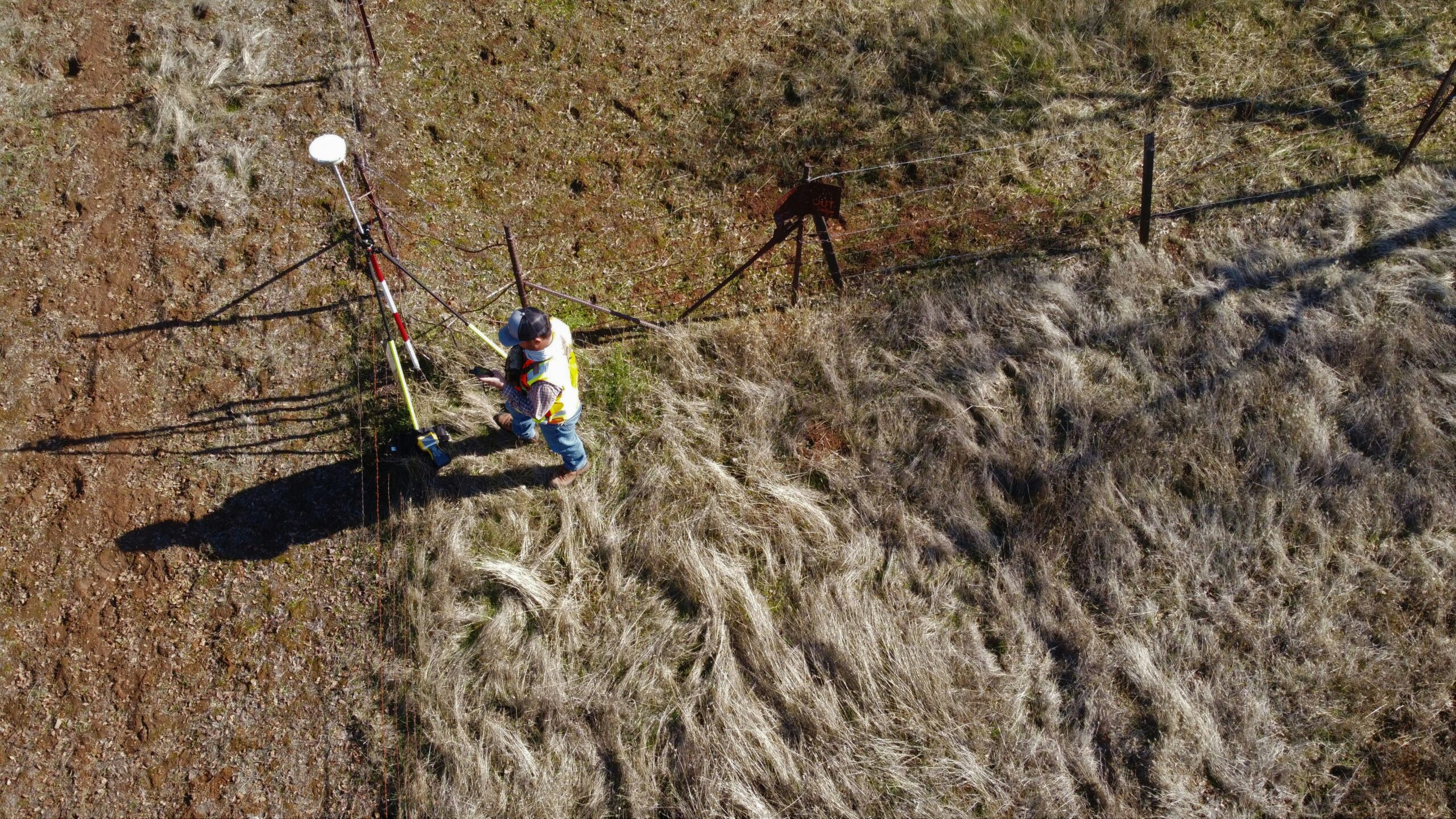
- Wait for the survey to be carried out: The survey process can take anywhere from a few days to several weeks. This depends on the type of survey, the size of the land, and the various factors to be considered. Usually, your surveyor will start with initial field work, conducting on-site measurements using relevant tools. They’ll then need to conduct an in-depth analysis of the data, cross-referencing with previous surveys and historical records.
Once your surveyor has collected all the data required, they’ll create a detailed map. This will show your property boundaries, easements, and encroachments, and prepare any additional required documentation. They’ll give you a draft of the survey to review before the final survey is certified and delivered to the relevant parties.
Just as the time it takes to conduct a survey can vary, the cost of the service may differ too. More comprehensive surveys like ALTA/NSPS may be more expensive. If you need to expedite the survey, there may be additional fees to pay.
Professional Land Surveying in Texas
Ultimately, land surveys are an important part of a successful real estate transaction. Understanding Texas survey requirements and working with a licensed surveyor can simplify your real estate decisions. Dr. Tony Nettleman is a leading nationwide expert in land surveying, having authored numerous respected reference publications and journal articles. He is frequently called upon to provide expert testimony in surveying-related matters, particularly in Texas civil courts
With Nettleman Land Consultants, you’ll be able to more effectively avoid legal disputes and issues and get the best value out of your investment. If you want to protect yourself from unnecessary conflicts and common problems when purchasing land in Texas, work with the professionals. Dr. Nettleman helps simplify real estate transactions with over 20 years of boundary surveying, consulting, and expert witness expertise. Learn more about our company from our YouTube videos, or consider reaching out to our friendly team to schedule an appointment.

Dr. Nettleman is a Land Surveying Engineer and Attorney. He has held distinguished professorships at Texas A&M Corpus Christi, University of Florida, Florida Atlantic University, and Troy University. Tony currently teaches continuing education courses for attorneys and land surveyors, provides online test preparation modules to help land surveyors become licensed in all 50 states, and serves as an expert witness in boundary, easement, title and riparian disputes. He is licensed as a surveyor and attorney in Florida as well as a professional surveyor in TX, CA, NM, SD, FL, AL, OH, KY, NV, WC


0 Comments