
(Updated 3/31/2025)
Florida’s stunning coastline, intricate network of rivers, lakes, and estuaries, and year-round temperate climate make it a prime location for waterfront property ownership. However, with great privilege comes great responsibility, and owning property adjacent to bodies of water in Florida comes with a set of legal principles known as riparian rights. Riparian rights are a complex set of rules that govern the use, access, and ownership of land bordering water bodies. In this comprehensive article, we will delve into the intricacies of Florida riparian rights, understanding their historical evolution, key components, and how they impact property owners and the environment.
Historical Evolution of Riparian Rights
Riparian rights have ancient origins, tracing back to English common law. The term “riparian” is derived from the Latin word “ripa,” which means riverbank. In early legal systems, water rights focused on the concept that a landowner had a right to reasonable use and access to the water body that abutted their property. This ensured equitable distribution of water resources among landowners while promoting economic and agricultural development.
In Florida, the principles of riparian rights were initially established as the state developed, a testament to the influence of English common law in shaping American legal systems. However, the unique geographic and ecological characteristics of Florida prompted the state to tailor these principles to its specific needs, eventually giving rise to the modern interpretation of Florida riparian rights.
Docks and Wharf Riparian Rights
Docks, often referred to as a pier or wharf, are structures extending from the shoreline into the water to allow boats to dock, load and unload goods, or provide access to recreational water activities. They are crucial to Florida’s economy, as the state relies heavily on maritime transportation for trade and tourism. Florida’s numerous ports serve as gateways for international trade, and docks play a pivotal role in supporting these activities by enabling the movement of goods to and from ships.
Furthermore, given Florida’s popularity as a boating and fishing destination, docks have significant recreational value. Boating enthusiasts use private boat docks for mooring their vessels, and many waterfront properties feature private docks as a key selling point. Public docks also offer opportunities for residents and visitors to access the water for fishing, sightseeing, and enjoying the state’s natural beauty.
Waterfront rights in Florida are a complex mix of state and local regulations designed to balance the interests of property owners, public access, and environmental preservation. The concept of riparian rights, which is the legal principle granting waterfront property owners certain rights to access and use the adjacent water, plays a role in determining how docks are developed and used. However, these rights are not absolute and are subject to various regulations to protect the public interest.
Environmental considerations are paramount in Florida due to the delicate coastal ecosystems and the potential impacts of waterfront development on marine life and water quality. The state has established guidelines and permitting processes that dictate the construction and modification of docks. These regulations aim to minimize habitat disruption, prevent water pollution, and maintain the overall health of Florida’s waters.
Local governments also play a significant role in regulating docks and waterfront rights. Zoning ordinances, land use plans, and comprehensive regulations guide how waterfront properties can be developed, including the construction and expansion of docks. These regulations vary across municipalities, often reflecting the unique characteristics and priorities of each community.
In recent years, rising sea levels and the increasing frequency of severe weather events have brought additional challenges to managing docks and waterfront rights in Florida. Property owners, policymakers, and environmentalists are grappling with questions about sustainable development, shoreline protection, and resilience in the face of changing coastal conditions.
Docks, floating vessel platforms, and waterfront rights in Florida are essential components of the state’s economic, recreational, and environmental landscape. They facilitate trade, support recreational activities, and contribute to property values. The complex interplay between riparian rights, environmental protection, and local regulations shapes how docks are developed and used along Florida’s coast.

Key Components of Florida Water Rights
Access to Water: One of the fundamental aspects of a riparian right is the right of property owners to access and use the water body adjacent to their real estate land. This includes activities like fishing, swimming, boating, and other recreational uses, as long as they don’t infringe upon the property right of another riparian owner.
Ownership Boundary: In Florida, the boundary between private property and public water bodies is known as the “ordinary high-water mark.” Property owners typically own the land up to this mark, and the state retains ownership of the water body itself. This means that property owners have a right to use the water body up to this boundary, but they do not own the water itself.
Reasonable Use Doctrine: The principle of reasonable use dictates that property owners can utilize the water body adjacent to their land as long as their use does not unreasonably interfere with the rights of other riparian owners. This ensures a balance between individual property rights and the shared interest in preserving water resources for everyone’s benefit.
Navigability: Navigable water bodies, usually those large enough to accommodate commercial navigation, are subject to specific regulations. While property owners still have certain riparian rights, navigable waters are considered public highways, and the federal government has jurisdiction over navigational rights and regulations.
Environmental Considerations and Regulatory Framework
Florida’s delicate ecosystem, including its intricate wetlands and vital waterways, necessitates a comprehensive regulatory framework to safeguard both riparian property owners and waterfront land. Several key regulations and considerations include:
- Wetland Protection: Florida’s wetlands play a crucial role in flood control, water filtration, and providing habitats for various species. A Florida property owner must adhere to strict regulations when it comes to altering or developing wetlands on their property.
- Environmental Impact Assessments: Waterfront property owners may be required to conduct environmental impact assessments to identify potential impacts on water quality, submerged land, wildlife habitats, and other ecological factors. (This may include beach renourishment.)
- Permitting Requirements: Many waterfront development activities, such as building docks or seawalls, require permits from relevant state and local agencies. This is to ensure they comply with environmental regulations and the principles of riparian land rights.
You can learn more about specific Florida’s environmental protection agency regulations here.

Types of Dock Permits in Florida
In Florida, dock construction typically requires one of three types of permits, depending on the size and environmental impact of the project:
- Exemptions – For small, private docks that meet specific criteria (e.g., minimal size, non-commercial use), permitting may be exempt under Florida law. These must still follow design and location rules.
- General Permits – Suitable for standard dock projects with limited environmental impact. These permits have pre-approved conditions and are faster to process.
- Individual Permits – Required for larger or more complex dock projects that may affect wetlands, navigation, or protected species. These involve detailed reviews and may require mitigation plans.
Each permit type is regulated by the Florida Department of Environmental Protection (FDEP) and possibly local water management districts.
Navigating Disputes and Resolutions
A dispute over a common law riparian right can arise when adjacent waterfront property owners have a conflicting interest. Common sources of land disputes include obstructed views, shared access points, noise concerns, water use, and pollution. Resolving such conflicts may involve negotiations, mediation, or even legal action.

Florida Land Surveyor Expert Services
Florida’s riparian rights represent a complex interplay between property ownership, historical legal traditions, environmental protection, and shared resources. These rights ensure that property owners can enjoy and utilize their waterfront property while upholding the broader community’s interest in maintaining the health of water bodies and ecosystems. As Florida’s population continues to grow and development pressures increase, the careful balance between riparian rights and environmental conservation becomes more important than ever. Whether you’re a property owner, a conservationist, or simply interested in the legal and environmental dynamics of waterfront ownership, understanding Florida’s riparian rights is essential for responsible and sustainable land use.
Need additional information about a Florida riparian rights’ dispute? Contact Nettleman Land Consultants, Inc. today to find out if expert services may be of assistance in your pending litigation.
Need an Expert Witness for Your Property Dispute?
What are the specifics?
Download more information on the florida dock process.
Download
What do I need to know about Riparian Allocation?
Riparian rights are the legal ownership right to the land beneath a body of water.
There are six common law methods of allocating riparian rights among waterfront owners:
1. Round lake method
2. Long lake method
3. Proportionate medial line method
4. Colonial method
5. Property line extension method
6. Proportionate acreage method
The purpose of any riparian survey is to equitably subdivide the riparian rights within a lake, river, or ocean, among the contiguous property owners.
If you want to learn more about the methods of riparian allocation follow the link below!

How do I apply?
You can apply by visiting the Florida Department of Environmental Protection’s business portal.
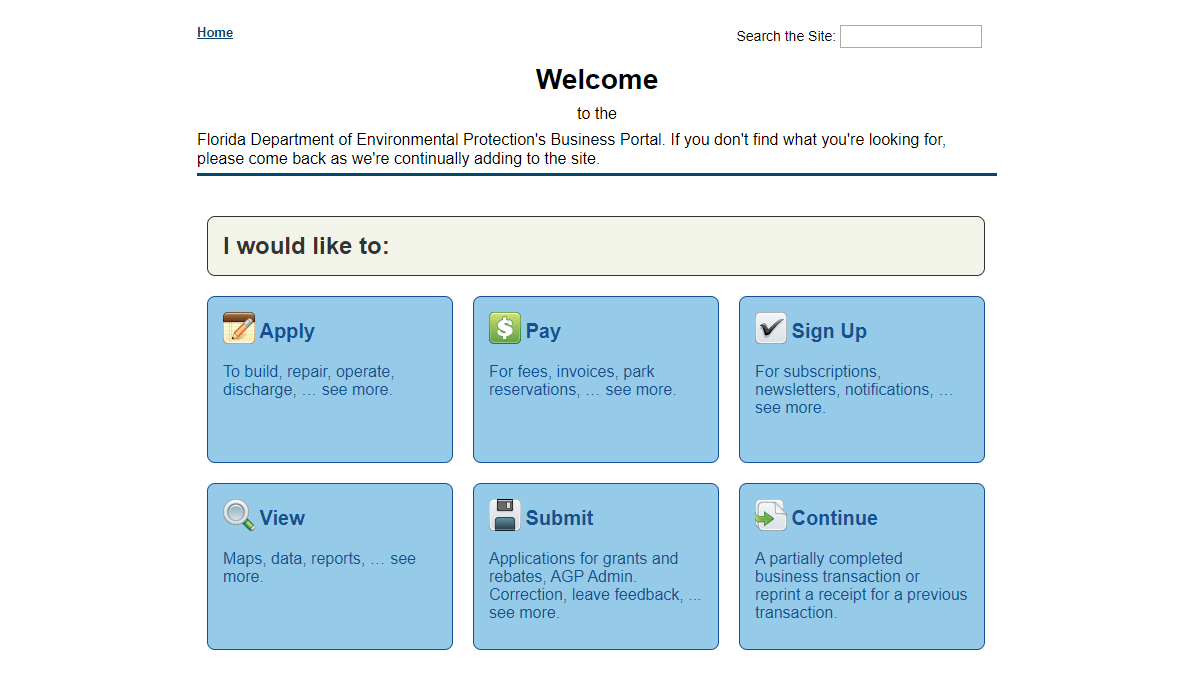
FDEP Business Portal
Apply for the permit online, or via email at SD_ERP_Permit@dep.state.fl.us
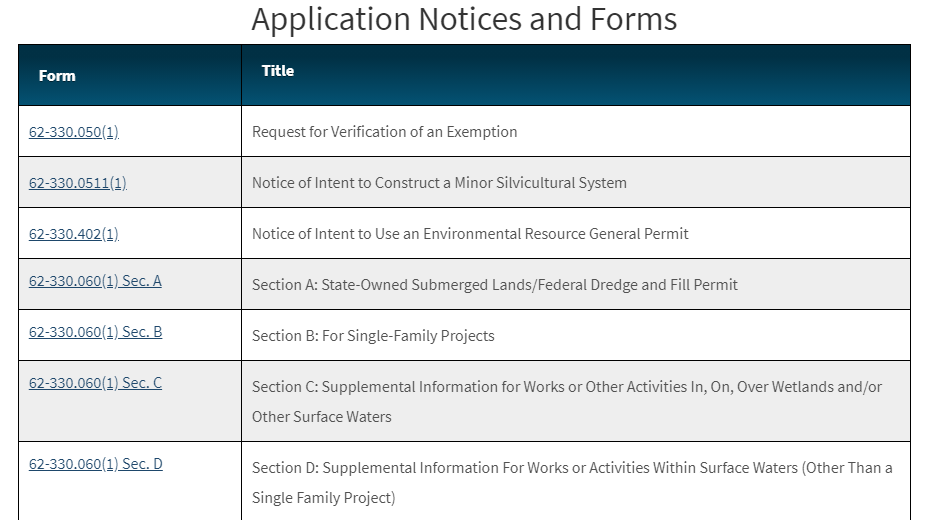
FDEP Resources, Notices, and Forms
Download all the required forms directly from the FDEP website.