
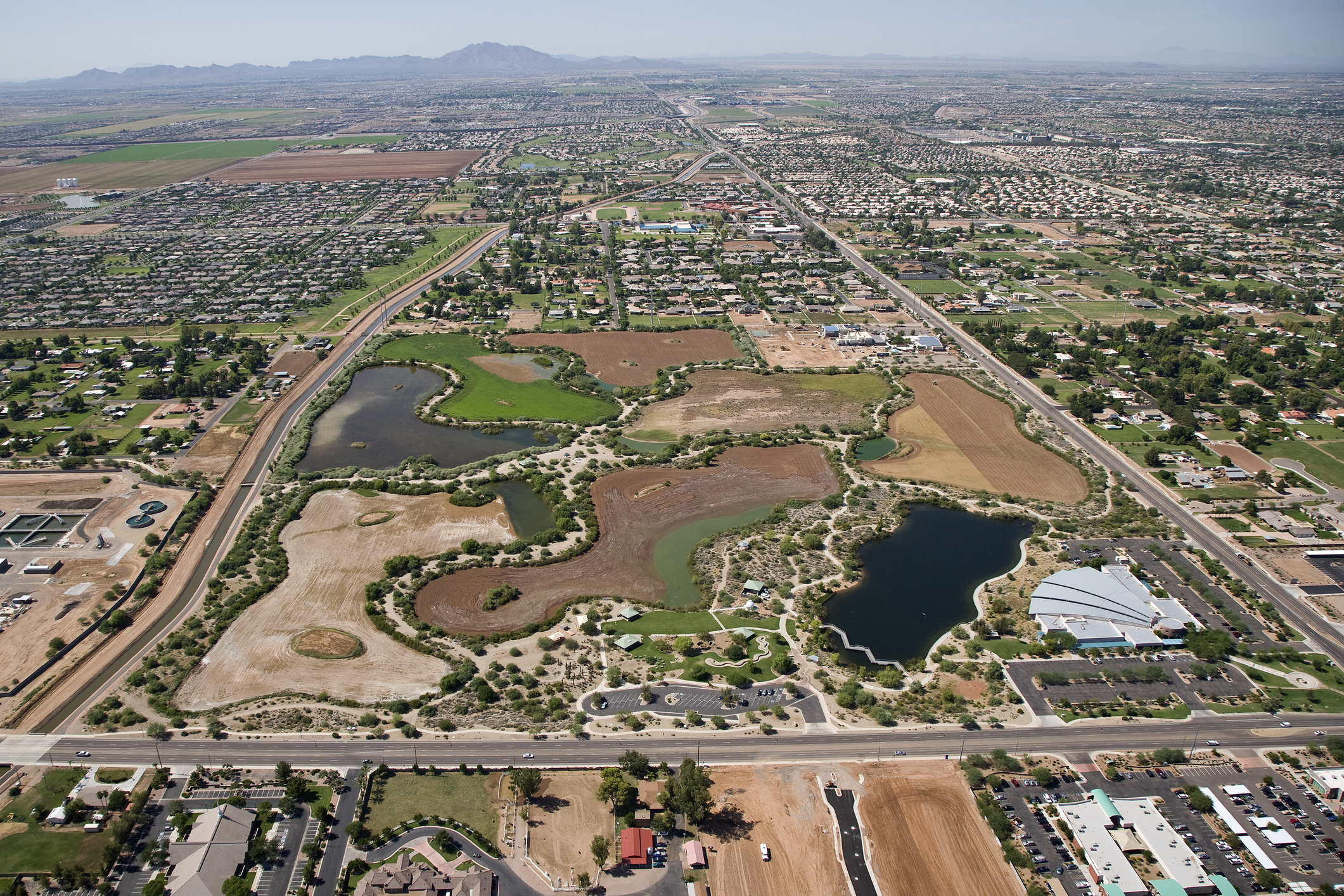
Riparian rights surveying establishes property boundaries in areas where land meets water. However, changing waterlines creates unique challenges for surveyors. They require specialized equipment and tools to capture accurate data.
This article highlights key equipment used in riparian boundary surveys and how they address both land and water measurements.
What is a Riparian Survey?
A riparian boundary survey is a type of land survey for establishing property boundaries along bodies of water. Unlike standard land surveys, riparian surveys account for shifting water boundaries. Erosion, sediment buildup, seasonal changes, or altered watercourses can cause these changes.
Riparian surveys help waterfront property owners, developers, and regulators set accurate property lines. They help clarify ownership of land affected by the “ordinary high-water mark.”
This boundary can influence a property owner’s rights and access to water resources, collectively known as riparian rights.
Riparian Surveying Equipment
Accurately defining riparian boundaries involves working with the unique conditions of water-adjacent land.
In such cases, surveyors use specific types of equipment. These are designed for both traditional land surveying and for the aquatic and dynamic aspects of riparian environments.
Global Positioning System (GPS) and GNSS Equipment
High-precision GPS and Global Navigation Satellite System (GNSS) equipment are key in riparian boundary surveys. This technology allows the land surveyor to capture exact location coordinates along water bodies. It helps establish property lines even in areas where traditional markers may be difficult to place.
- GNSS Receivers: These receivers pick up signals from satellite constellations like GPS, GLONASS, and Galileo. They provide high-accuracy positioning, which is necessary for defining riparian boundaries accurately. Survey-grade GNSS receivers, such as those from brands like Trimble or Leica, offer real-time kinematic (RTK) solutions. They’re capable of improving accuracy to within centimeters.
- Data Controllers: These handheld devices pair with GNSS receivers and serve as data collectors. Surveyors use them to manage coordinates, input boundary data, and visualize survey points in real-time.
- Base Stations: Base stations are often set up in fixed locations to improve the accuracy of RTK GNSS measurements. They help compare data from mobile GNSS units with data from the base to correct any positional errors.
Total Stations and Robotic Total Stations
Total stations measure the distance and angle between various points on land and across water. They can be used in both traditional land surveying and riparian boundary surveys.
Through EDM technology, total stations measure distances between points with high precision. This feature is especially helpful in challenging terrain and narrow water bodies.
- Robotic Total Stations: These are automated versions of traditional total stations, operated remotely to allow the surveyor to control them from a distance. This is especially useful in riparian settings, where portions of the boundary may be inaccessible on foot due to dense vegetation, water, or other obstacles.
Levels and Leveling Equipment
Automatic and digital levels measure vertical distances in riparian land. In these areas, boundaries can be affected by changes in water level and topography. As such, it’s necessary to maintain a level surface for accurate measurement.
There are 2 maint types of levels:
- Automatic Levels: These are traditional leveling instruments that use an optical line of sight and a leveling rod to measure elevations. They are helpful in areas with minimal obstructions.
- Digital Levels: Digital levels have more advanced features like electronic readings. This allows for faster and more accurate height measurements. In riparian zones with elevation changes, digital levels save time and improve accuracy.
Sonar Equipment
Sonar equipment in riparian boundary surveys measures underwater terrain and features. Since riparian boundaries may extend to the bed of the river or lake, sonar can provide crucial data for mapping these areas.
- Single Beam and Multi-Beam Sonar: Single-beam sonar is generally used for simple depth measurements at discrete points. In contrast, multi-beam sonar provides a more detailed scan of the underwater topography. They allow surveyors to create an accurate digital terrain model of the river or lakebed.
- Side-Scan Sonar: This technology sends out fan-shaped pulses from the side of a boat, providing detailed images of the riverbed or lakebed surface. This can be particularly useful in determining the shape and extent of the boundary under water.
Drones (Unmanned Aerial Vehicles)
Drones have become increasingly popular in riparian surveys, allowing surveyors to capture high-resolution aerial images and topographic data across large and difficult-to-access areas.
- Aerial Photogrammetry: Photogrammetry involves capturing multiple overlapping images that can be processed to create a 3D model of the terrain. When used with riparian boundary surveys, aerial photogrammetry helps identify shifts in vegetation, water courses, and other natural markers that may influence boundaries.
- LiDAR-equipped Drones: LiDAR (Light Detection and Ranging) systems measure distances by illuminating the area with laser light and measuring the time it takes for the light to return. LiDAR-equipped drones can create highly detailed terrain models that penetrate through vegetation. They’re ideal for surveying riparian areas with dense foliage or canopy cover.
Surveying Boats and Related Watercraft
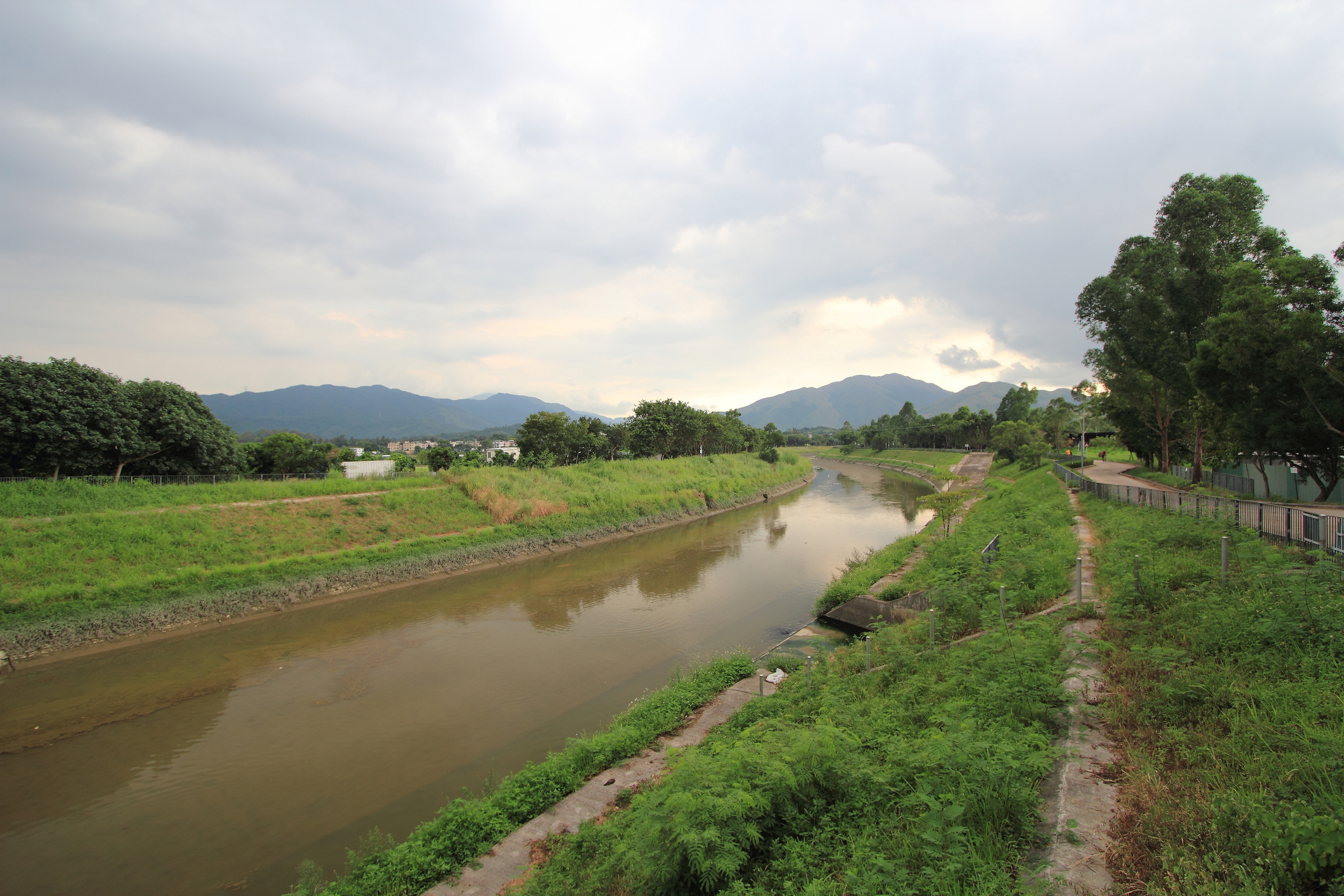
For boundary surveys along larger rivers or lakes, surveyors often require specialized watercraft to position themselves accurately.
- Survey Boats: Equipped with sonar and GNSS receivers, survey boats allow surveyors to gather precise data on the water’s surface and underwater boundaries. Many survey boats are also equipped with stabilizers and mounts for positioning total stations or other equipment securely.
- Remote-Controlled Watercraft: In areas that are difficult for human-operated boats to access, remote-controlled watercraft equipped with GNSS receivers and sonar can be used. These unmanned vessels are particularly useful in narrow, shallow, or ecologically sensitive riparian zones where larger boats would disrupt the ecosystem.
Ground Penetrating Radar (GPR)
Ground Penetrating Radar is valuable for detecting subsurface structures and layers, particularly along riparian zones where sediment layers may influence boundary definitions.
- GPR Units: These units emit electromagnetic waves that bounce off subsurface materials, helping surveyors detect sediment layers, buried obstacles, or other subsurface features. This is helpful in riparian zones where shifting sediments may obscure boundary markers or other important features.
- Data Interpretation Software: GPR data needs to be processed and interpreted, often with specialized software. This software provides a visual model of subsurface layers and features that can impact the riparian boundary.
Hydrometers and Water Level Recorders
Because riparian boundaries are directly influenced by the water’s edge, knowing the water level at the time of the survey is essential. Hydrometers and water level recorders provide accurate data on the current and historical water levels.
- Hydrometers: These tools measure water density and salinity. For inland bodies of water, they are used less often. However, they can sometimes help measure water depth and movement.
- Automatic Water Level Recorders: These electronic devices are left in place to measure water levels over time, creating a record of fluctuations. Water level recorder data helps surveyors account for changes due to tides, seasons, and other natural variations. This is important for determining the precise edge of a water boundary.
Data Processing Software
Once data is collected, land surveyors must analyze it to create accurate maps and boundaries. They need specialized software to process and integrate data from GNSS, sonar, total stations, and drones.
- Geographic Information Systems (GIS): Geographic Information Systems (GIS): GIS platforms like ArcGIS compile and analyze spatial data. They give a complete view of all survey points. Surveyors can use them to integrate aerial images, elevation data, and other relevant layers.
- CAD Software: Computer-Aided Design (CAD) software like AutoCAD Civil 3D is used for creating precise boundary maps and topographic profiles. CAD software is often used alongside GIS to draft the final survey deliverables, ensuring accuracy in the final map.
- Hydrographic Survey Software: Hydrographic Survey Software: Specialized software, like Hypack or Teledyne CARIS, is used for underwater and bathymetric data. It processes sonar data to create accurate models of underwater topography.
Riparian boundary surveys need the right equipment for reliable results. Given the changing nature of water boundaries, professional surveyors must capture precise data across varied terrains. With the right equipment, surveyors can provide detailed, dependable results. They can support clear property rights and maintain compliance with regulatory standards and environment protection laws..
Contact us today if your client is experiencing a riparian boundary dispute!


0 Comments