
Wondering how to find out who owns a property?
Then, it’s no surprise that land records are invaluable historical documents. They provide insights into the property ownership, real estate transactions, and history of a piece of land. Whether you’re researching your family history, settling a property dispute, or simply curious about the past, land records can be a goldmine of information. In this guide, we’ll cover how to find property records, what types are available, and why they matter.
Understanding Land Records
Land records include many kinds of documents. They track the history and ownership of land parcels. These property records are vital for legal, historical, and genealogical purposes. Here are some types of land documents you might encounter:
-
- Deeds: A deed is a legal document that transfers ownership of property. Deed records provide detailed information about the property, including boundaries, dimensions, and any encumbrances.
-
- Land Grants and Patents: These records trace the initial distribution of land by governments. They often are older records dating to colonial periods. They include information about the grantee, the size of the land, and its location.
-
- Property Tax Records: These records can show you property owner information and how the land value changed over time. They are often used for genealogical research and understanding changes in property values.
-
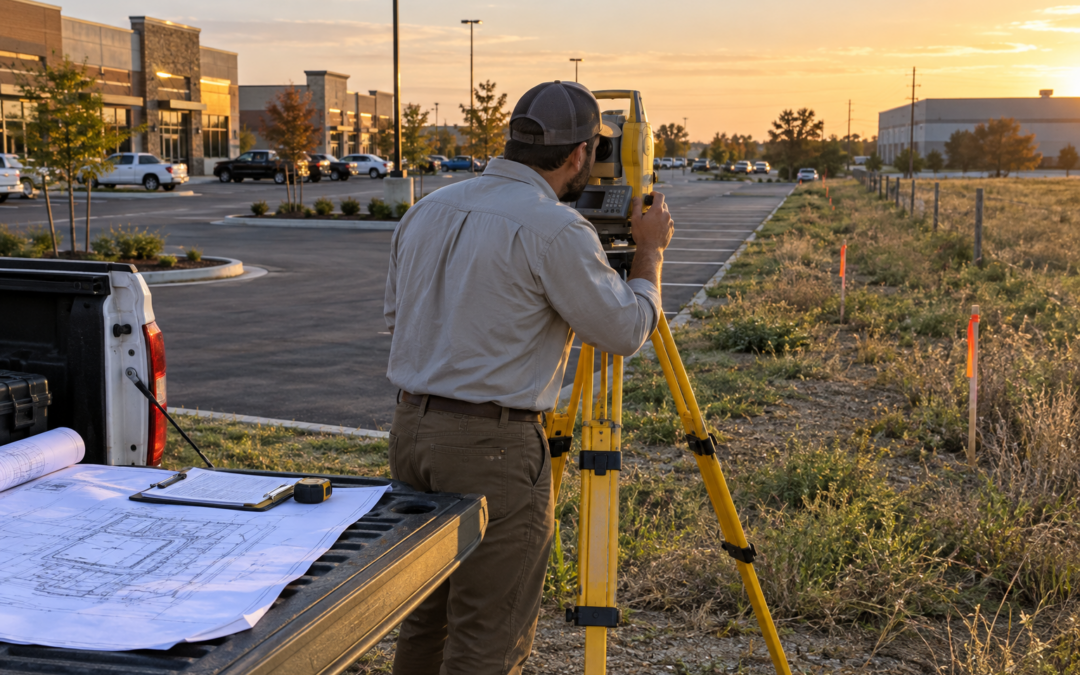
- Survey Records: Survey records include maps, plats, and field notes that define the boundaries and topography of a piece of land. They are essential for resolving disputes about property boundaries and other issues.
-
- Title Abstracts: Title abstracts are summaries of all transactions related to a property. They provide a chronological history of ownership and any encumbrances.
-
- Mortgage and Lien Records: These documents detail any outstanding loans or liens against a property. This information is crucial for prospective buyers or those dealing with foreclosure issues.
Finding Land Records
-
- Visit Local Government Offices: Start your search for land records at local government offices. A city or county clerk, registrar, or tax assessor may have the records you’re looking for. You may need to visit in person or check their websites for online databases and resources.
-
- Online Databases: Many government agencies have digitized their land records. They can be found online at the Bureau of Land Management’s Land Records Search or county-specific websites.
-
- Libraries and Archives: Local libraries and historical societies often house land records in their collections. They may also have microfilm copies of older records. Librarians and archivists can guide you in your research.
-
- Land Title Companies: Title companies maintain extensive databases of land records. While you may need to pay for access, it can be a convenient way to access records quickly and efficiently.
-
- Online Genealogy Platforms: Websites like Ancestry.com and FamilySearch.org have digitized land records, making them accessible for genealogical research. Subscription fees may apply.
-
- Request Records by Mail: If you can’t access records online, contact the relevant government office about requesting land records by mail. Be prepared to provide detailed information about the property you’re researching.
Tips for Effective Land Record Research
-
- Gather Information: Before you start your search, gather as much information as possible about the property. This includes the property’s legal description, owner’s name, and any relevant dates.
-
- Be Patient: Land record research can be time-consuming. Records may be incomplete or challenging to decipher. Be prepared to be patient and persistent in your efforts.
-
- Document Your Findings: Keep detailed records of the property information you uncover. Note the source, date, and any relevant details. This documentation will be invaluable for future reference.
-
- Seek Professional Help: If you encounter difficulties or need assistance interpreting complex legal documents, consider consulting with an expert. Genealogists, historians, or attorneys often have expertise in land records.
Significance of Land Records
-
- Genealogical Research: Land records provide critical information for tracing family histories. These records provide details about ancestors’ land ownership, migrations, and socio-economic status.
-
- Property Ownership and Disputes: Current property owners can use the property record to help in a variety of situations. They can establish ownership, resolve boundary disputes, and protect their property rights.
-
- Historical Research: Land records offer insights into the history of a region. They provide details about land use patterns, settlement trends, and economic development.
-
- Legal and Financial Transactions: Attorneys, real estate professionals, and lenders rely on land records for property transactions, title searches, and mortgage-related activities.
At the end of the day, land records are invaluable resources for a variety of purposes. From genealogical to legal and historical research, they provide a wealth of information. Finding these records requires patience, persistence, and access to the right sources.
Whether you’re unraveling your family history or settling a property dispute, it’s important to know how to find land records. Interpreting them can unlock valuable information and shed light on the past. So, dive into the world of land records and discover the rich history hidden within their pages.
Contact us today for more information on NLC’s Expert Witness Services!
Schedule a Consultation
0 Comments